Short answer: Before you slide a credit card down the doorframe or reach for a screwdriver, here is what genuinely works, what quietly wrecks your lock or your door, and the moments when calling a locksmith is actually the cheaper decision.
Before you slide a credit card down the doorframe or reach for a screwdriver, here is what genuinely works, what quietly wrecks your lock or your door, and the moments when calling a locksmith is actually the cheaper decision.
Start with the calm, no-damage options, because a surprising number of lockouts solve themselves. Walk the whole perimeter and check every other door and any ground-floor window, since people routinely lock the front and leave a side or garage entry open. If you keep a spare with a trusted neighbor, a family member, or in a proper lockbox, now is its moment. If the door has only a spring latch, the angled kind, and no deadbolt thrown, a stiff plastic card can sometimes ease it open, and that is a legitimate trick that harms nothing because you are only nudging a latch it is designed to release. If you are locked out of an interior room with a simple privacy knob, the small hole on the handle usually pops with a straightened paperclip or the emergency key that came with it. These approaches share one thing in common: none of them risk breaking anything you would then have to pay to fix.
The methods that go viral online are usually the ones that turn a lockout into a repair bill. A thrown deadbolt will not slip with a card no matter how many videos suggest otherwise; forcing it tends to chew up the door edge and the strike plate instead. Drilling a lock 'to save time' destroys the cylinder, so you now owe for both the entry and a new lock, and doing it wrong can jam the mechanism entirely. Prying a door or window can crack a frame, bend hardware, or shatter glass, and glass and frame repair dwarfs the cost of a routine lockout call. So-called bump keys and lock-picking sets bought in a hurry rarely work in untrained hands and often leave a broken pin or snapped key stuck in the cylinder, which is harder and pricier to clear than the original problem. The rule of thumb is simple: the moment your plan involves force, metal-on-metal, or a power tool, stop, because you are usually about to spend more than a locksmith would have charged.
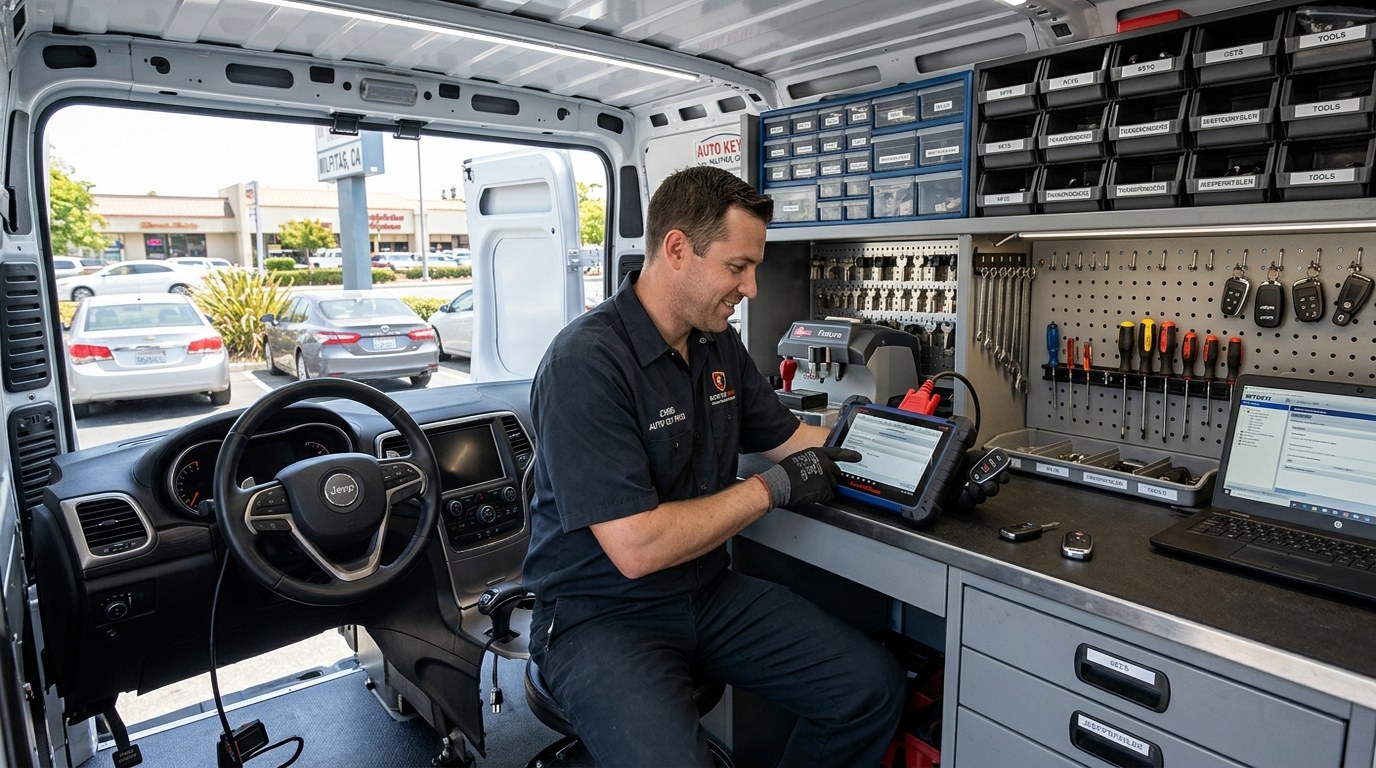
Some situations are worth skipping the experiments entirely. If your door has a deadbolt, a high-security lock, or a smart lock, professional non-destructive entry protects hardware you paid good money for. If you are locked out of your car, especially a newer one with electronics, airbags near the door, or push-button start, amateur tools can trigger real and expensive damage, and an automotive locksmith is built for exactly this. If it is late, you are somewhere you do not feel safe, or a child or pet is locked inside, the fastest safe answer is a phone call, not a tutorial. A residential lockout handled by a locksmith commonly falls in the range of roughly $75 to $150 in normal daytime hours, with after-hours calls costing more, and while that is a real expense, it is frequently less than the cost of replacing a drilled lock, a cracked frame, or a broken window. When you call, ask for the all-in total up front so there are no surprises at the door.
Start with the calm, no-damage options, because a surprising number of lockouts solve themselves. Walk the whole perimeter and check every other door and any ground-floor window, since people routinely lock the front and leave a side or garage entry open. If you keep a spare with a trusted neighbor, a family member, or in a proper lockbox, now is its moment. If the door has only a spring latch, the angled kind, and no deadbolt thrown, a stiff plastic card can sometimes ease it open, and that is a legitimate trick that harms nothing because you are only nudging a latch it is designed to release. If you are locked out of an interior room with a simple privacy knob, the small hole on the handle usually pops with a straightened paperclip or the emergency key that came with it. These approaches share one thing in common: none of them risk breaking anything you would then have to pay to fix.
The methods that go viral online are usually the ones that turn a lockout into a repair bill. A thrown deadbolt will not slip with a card no matter how many videos suggest otherwise; forcing it tends to chew up the door edge and the strike plate instead. Drilling a lock 'to save time' destroys the cylinder, so you now owe for both the entry and a new lock, and doing it wrong can jam the mechanism entirely. Prying a door or window can crack a frame, bend hardware, or shatter glass, and glass and frame repair dwarfs the cost of a routine lockout call. So-called bump keys and lock-picking sets bought in a hurry rarely work in untrained hands and often leave a broken pin or snapped key stuck in the cylinder, which is harder and pricier to clear than the original problem. The rule of thumb is simple: the moment your plan involves force, metal-on-metal, or a power tool, stop, because you are usually about to spend more than a locksmith would have charged.
Some situations are worth skipping the experiments entirely. If your door has a deadbolt, a high-security lock, or a smart lock, professional non-destructive entry protects hardware you paid good money for. If you are locked out of your car, especially a newer one with electronics, airbags near the door, or push-button start, amateur tools can trigger real and expensive damage, and an automotive locksmith is built for exactly this. If it is late, you are somewhere you do not feel safe, or a child or pet is locked inside, the fastest safe answer is a phone call, not a tutorial. A residential lockout handled by a locksmith commonly falls in the range of roughly $75 to $150 in normal daytime hours, with after-hours calls costing more, and while that is a real expense, it is frequently less than the cost of replacing a drilled lock, a cracked frame, or a broken window. When you call, ask for the all-in total up front so there are no surprises at the door.
Call (408) 791-0007 and describe the situation, your exact location, and what you need. Timing is confirmed on that call rather than promised in advance.
Call for help: (408) 791-0007 — a straight answer and an honest estimate before any work begins.